


Choosing the right breastfeeding tools can make a big difference in a new mother’s daily routine. One of the most practical and affordable options is a manual breast pump. However, before making a purchase, it’s important to understand what features to look for, how it works, and whether it suits your lifestyle. This guide covers Everything You Need to Know Before Buying a Manual Breast Pump so you can make a confident and informed decision.
What Is a Manual Breast Pump?
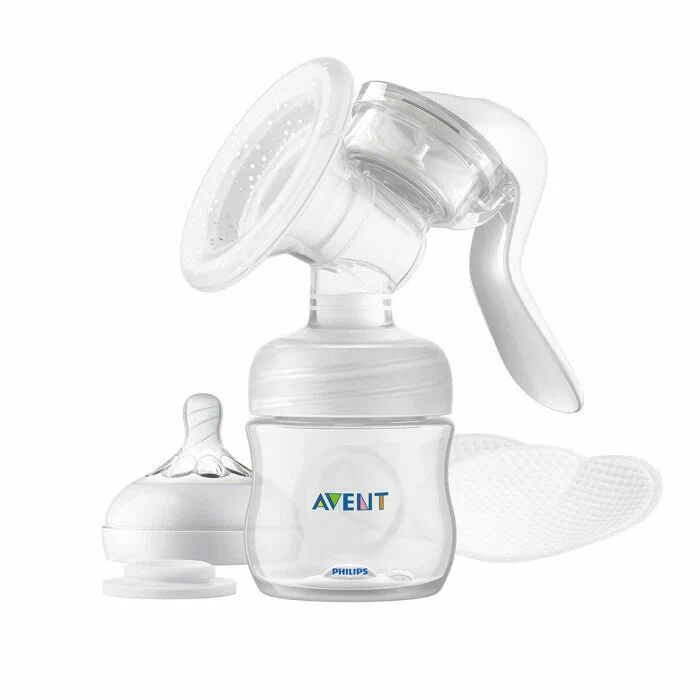
A manual breast pump is a hand-operated device designed to express milk without electricity or batteries. It typically consists of a breast shield (flange), a collection bottle, and a hand lever or squeeze handle that creates suction.
Unlike electric pumps, manual pumps rely entirely on physical effort. This makes them quieter, more portable, and often more affordable. Many mothers use them for occasional pumping, travel, or backup use.
Understanding Everything You Need to Know Before Buying a Manual Breast Pump begins with recognizing that it is best suited for flexibility rather than high-volume daily pumping.
Why Choose a Manual Breast Pump?
Before making a purchase, it’s important to understand the advantages and limitations.
Key Benefits
- Portability: Lightweight and easy to carry anywhere
- No power needed: Works without electricity or batteries
- Quiet operation: Ideal for discreet pumping
- Budget-friendly: Usually cheaper than electric models
- Simple design: Easy to clean and assemble
These benefits make manual pumps a popular choice for mothers who pump occasionally or need a backup option.
Everything You Need to Know Before Buying a Manual Breast Pump: Key Features to Consider
When evaluating different options, there are several important features to keep in mind. This section highlights Everything You Need to Know Before Buying a Manual Breast Pump in terms of product quality and usability.
1. Comfort and Flange Fit
Comfort is one of the most important factors. The flange should fit your breast properly without causing pain or irritation. A poor fit can reduce milk flow and make pumping uncomfortable.
2. Suction Strength and Control
A good manual pump allows you to control suction strength easily. Look for ergonomic handles that reduce hand fatigue during use.
3. Build Quality
Durable, BPA-free plastic or silicone materials are essential for safety and long-term use. Cheap materials may wear out quickly or affect hygiene.
4. Ease of Cleaning
Since breast pumps come into contact with milk, hygiene is critical. Choose a model with fewer parts that can be easily disassembled and cleaned.
5. Portability
If you plan to use your pump while traveling or at work, choose a lightweight and compact design that fits easily into a bag.
Who Should Use a Manual Breast Pump?
Manual breast pumps are not for everyone, but they are ideal in specific situations.
Best for:
- Mothers who pump occasionally
- Those who need a travel-friendly option
- Moms who want a backup for electric pumps
- Users on a tight budget
If you need to pump multiple times a day or maintain a high milk supply, an electric pump may be more suitable.
Common Mistakes to Avoid When Buying
Understanding Everything You Need to Know Before Buying a Manual Breast Pump also means knowing what to avoid.
1. Choosing Based on Price Alone
Cheaper models may lack comfort and durability. It’s better to balance cost with quality.
2. Ignoring Flange Size
An incorrect flange size can cause discomfort and reduce milk output.
3. Overlooking Ease of Use
Some manual pumps require too much hand effort. Always check user reviews for comfort feedback.
Tips for Using a Manual Breast Pump Effectively
Once you’ve chosen the right pump, proper usage is key to getting the best results.
Practical Tips
- Warm compress before pumping to improve milk flow
- Massage breasts gently before use
- Pump in a relaxed and comfortable environment
- Switch sides regularly for balanced expression
- Clean all parts immediately after use
Following these steps ensures efficiency and comfort during every session.
Maintenance and Cleaning Guidelines
Proper maintenance extends the life of your pump and ensures safe milk storage.
- Wash all parts with warm soapy water after each use
- Sterilize regularly, especially for newborn feeding
- Dry components completely before reassembling
- Store in a clean, dry container
Hygiene is a key part of Everything You Need to Know Before Buying a Manual Breast Pump, as it directly impacts your baby’s health.
Final Thoughts
A manual breast pump can be a simple, affordable, and effective solution for many mothers. However, choosing the right one requires careful consideration of comfort, build quality, and usability. By understanding Everything You Need to Know Before Buying a Manual Breast Pump, you can select a product that fits your needs and supports your breastfeeding journey.
