


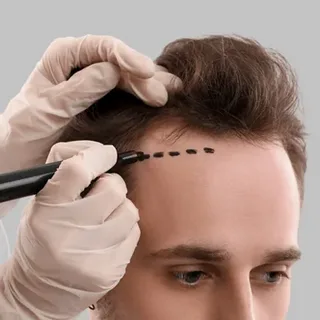
Hair restoration has evolved dramatically over the last decade. With advanced technologies, more natural results, and faster recovery times, 2025 marks a breakthrough year for individuals seeking permanent hair loss solutions. In The Ultimate Guide to Hair Transplant Procedures in 2025, we explore the latest techniques, expected outcomes, costs, and what patients need to know before choosing a procedure.
Understanding Modern Hair Transplant Techniques
1. Follicular Unit Extraction (FUE) 2.0
FUE remains the most popular technique, but 2025 introduces precision robotics and AI-assisted extraction. These upgrades allow surgeons to harvest follicles with unmatched accuracy, reducing scarring and improving density.
2. Direct Hair Implantation (DHI+)
DHI has been enhanced with automated pen-based tools that speed up the implantation process. Patients benefit from less downtime and more uniform hairline design.
3. Stem Cell-Enhanced Transplants
One of the biggest innovations highlighted in The Ultimate Guide to Hair Transplant Procedures in 2025 is the rise of stem cell–assisted grafting. This method enhances follicle survival and promotes stronger regrowth.
What to Expect During the Procedure
Consultation and Scalp Mapping
Advanced imaging software now maps the scalp in 3D, predicting long-term growth patterns and guiding surgeons toward more natural-looking results.
Minimally Invasive Surgery
Modern tools ensure reduced pain, quicker healing, and minimal bleeding. Most procedures are completed within 4–6 hours.
Recovery and Aftercare
Recovery in 2025 is easier than ever. Many patients return to normal activities within 48–72 hours thanks to improved aftercare serums and anti-inflammatory treatments.
Costs and Factors That Influence Pricing
The cost of hair transplant procedures varies widely, typically ranging from $3,000 to $12,000 depending on:
- Technique used (FUE, DHI, stem-cell enhanced)
- Number of grafts required
- Surgeon expertise
- Clinic location and technology available
While prices remain similar to previous years, the value for money is greater due to higher graft survival and better long-term outcomes.
Who Is the Best Candidate?
Those experiencing male or female pattern baldness, thinning hair, or receding hairlines are strong candidates. Non-smokers with realistic expectations and healthy donor areas achieve the best results.
Why 2025 Is the Best Time to Undergo a Hair Transplant
Technological advancements, safer procedures, and improved aesthetic outcomes make 2025 an ideal year for hair restoration. As emphasized throughout The Ultimate Guide to Hair Transplant Procedures in 2025, the newest methods deliver stronger, faster, and more natural results than ever before.
Conclusion
If you’re considering restoring your hairline, the innovations highlighted in The Ultimate Guide to Hair Transplant Procedures in 2025 offer valuable insights into choosing the right procedure. With cutting-edge techniques and enhanced recovery options, achieving fuller, natural-looking hair is more attainable than ever.
