


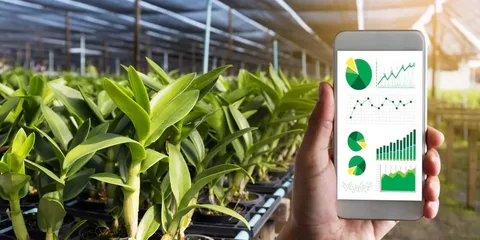
The future of agriculture is being reshaped by technology. As the world faces increasing challenges such as climate change, dwindling resources, and an ever-growing population, the need for more sustainable farming practices has never been more urgent. Smart agriculture is emerging as a vital solution to address these issues, aligning innovation with environmental responsibility. Smart Agriculture and Sustainability: A Perfect Match for the Planet focuses on how this fusion of technology and sustainability is transforming the way we grow, produce, and consume food.
What is Smart Agriculture?
Smart agriculture, often referred to as “precision farming,” utilizes modern technologies like the Internet of Things (IoT), big data, artificial intelligence (AI), and drones to optimize farming practices. These innovations allow farmers to monitor and manage crops, livestock, and resources in real-time, resulting in more efficient, precise, and sustainable agricultural processes.
Farmers can collect data about soil moisture, weather patterns, crop health, and pest infestations. This data-driven approach enables better decision-making, reduces waste, and promotes sustainable farming practices. Ultimately, smart agriculture aims to use resources more efficiently while minimizing environmental impacts.
The Role of Sustainability in Agriculture
Sustainability in agriculture is all about meeting current food production needs without compromising the ability of future generations to do the same. It involves practices that protect the environment, conserve resources, and promote social and economic equity.
Traditional farming methods have often led to overuse of natural resources, deforestation, soil degradation, and increased greenhouse gas emissions. However, the integration of smart agriculture technologies can help mitigate these issues by making farming practices more resource-efficient and less harmful to the planet.
How Smart Agriculture Promotes Sustainability
- Efficient Resource Management
One of the key advantages of smart agriculture is its ability to optimize resource use. Sensors embedded in fields can monitor soil moisture, nutrient levels, and temperature, providing real-time insights. Farmers can then apply water, fertilizers, and pesticides only when and where they are needed, reducing waste and environmental pollution. - Reduction of Water Usage
Water scarcity is a growing global concern, particularly in regions that rely on irrigation for farming. Smart irrigation systems powered by IoT can detect soil moisture levels and adjust water flow accordingly. This reduces water wastage and ensures that crops receive just the right amount of hydration, contributing to the overall sustainability of agricultural practices. - Minimizing Chemical Usage
Pesticides and fertilizers are essential for maintaining crop health, but their overuse can lead to harmful runoff into water systems, harming local ecosystems. With smart farming technologies, farmers can monitor crop health more closely, targeting specific areas for treatment and reducing the reliance on chemicals. This not only minimizes environmental damage but also reduces costs for farmers. - Improved Crop Yield with Lower Environmental Impact
By leveraging precision technologies, farmers can improve crop yields while using fewer resources. For example, drones and AI-powered systems can analyze crop health and identify problems like pest infestations or nutrient deficiencies before they spread. This early intervention allows for higher productivity without the need for expansive land use or excess chemical inputs.
Benefits of Smart Agriculture for the Planet
The integration of smart agriculture with sustainability initiatives offers numerous benefits to the planet:
- Reduction in Carbon Footprint: By optimizing farming operations and reducing the need for excessive inputs, smart agriculture reduces the carbon emissions associated with food production. This directly contributes to climate change mitigation efforts.
- Preservation of Biodiversity: Sustainable farming practices help preserve the local flora and fauna by minimizing habitat destruction and reducing chemical runoff into surrounding ecosystems.
- Soil Health Conservation: Continuous soil monitoring allows farmers to adjust practices to prevent overuse and soil degradation, ensuring that the land remains fertile and productive for years to come.
Challenges and the Future of Smart Agriculture
While smart agriculture has the potential to revolutionize farming practices, there are several challenges to overcome. The cost of implementing advanced technologies may be prohibitive for small-scale farmers in developing regions. There is also the need for training and education to help farmers effectively use these tools.
However, as technology continues to evolve and become more accessible, it is likely that smart agriculture will become more widespread. Governments, research institutions, and private companies are already investing in these technologies to make them more affordable and easier to implement.
Conclusion: A Perfect Match for the Planet
Smart agriculture and sustainability are indeed a perfect match for the planet. By harnessing cutting-edge technologies, farmers can produce food more efficiently, minimize environmental harm, and help ensure that future generations have the resources they need. As the world continues to grapple with environmental challenges, the combination of smart agriculture and sustainable practices offers a promising pathway to a more sustainable and food-secure future.
