


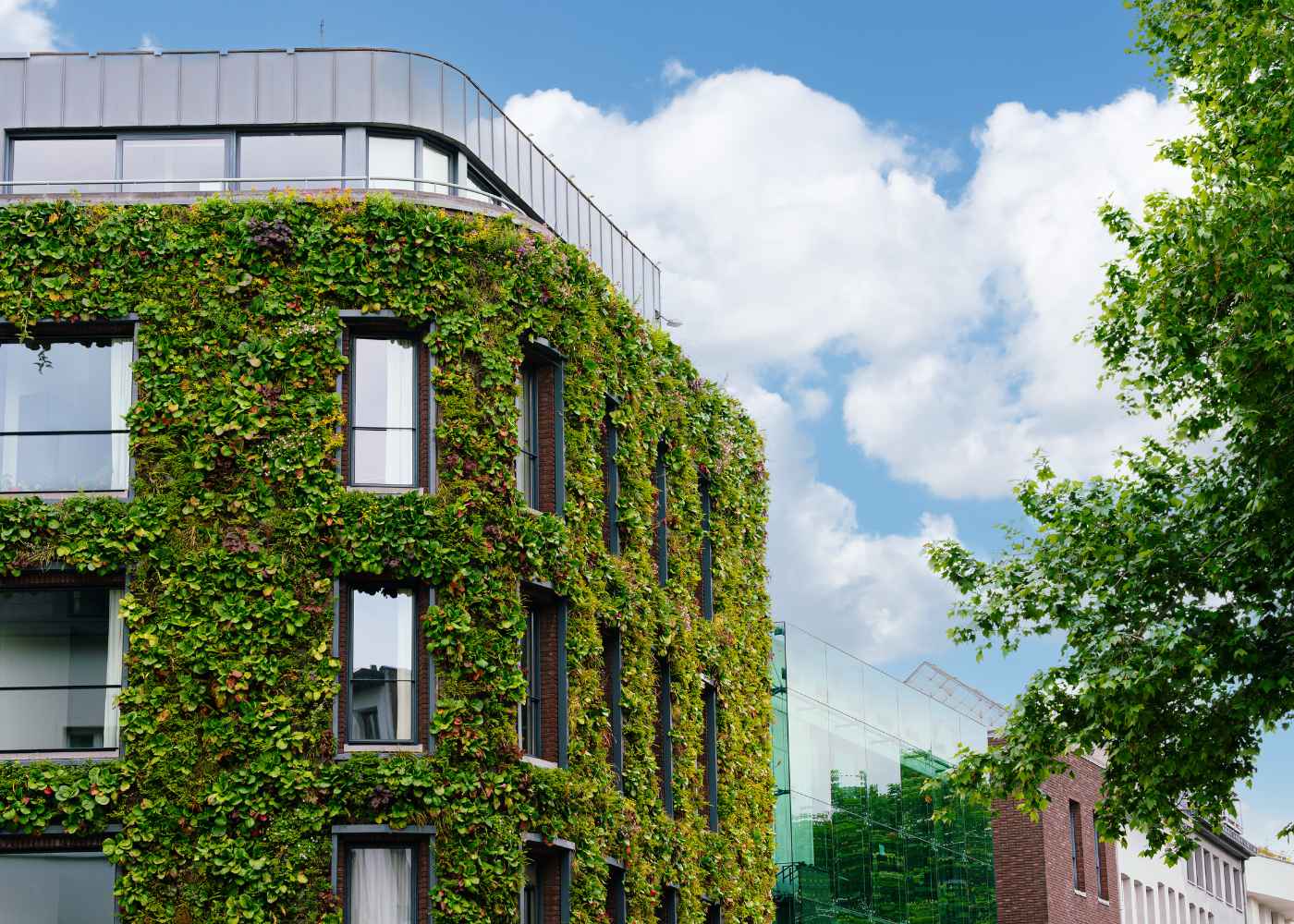
Urban buildings consume enormous amounts of energy while contributing significantly to carbon emissions in densely populated areas. As cities implement stricter environmental regulations and property owners recognize the long-term value of efficiency improvements, sustainable renovation has moved from niche interest to mainstream priority. Transforming existing structures into high-performance buildings requires careful planning, appropriate expertise and commitment to principles that balance environmental responsibility with practical functionality.
Understanding the key elements of sustainable urban renovation helps property owners approach projects strategically. The decisions made during the planning and execution phases determine whether renovations deliver lasting environmental and financial benefits or fall short of their potential.
Assessing Existing Building Performance
Effective sustainable renovation begins with a thorough evaluation of current building conditions and energy consumption patterns. Professional energy audits identify where buildings lose heat, waste electricity and operate inefficiently. This baseline assessment reveals opportunities for improvement while helping prioritize investments that deliver the greatest returns.
Building envelope analysis examines how well structures separate interior environments from exterior conditions. Windows, walls, roofs and foundations all affect how much energy buildings require for heating and cooling. Understanding envelope performance guides decisions about insulation upgrades, window replacement and air sealing that dramatically reduce energy demands.
Mechanical systems, including heating, cooling, ventilation and lighting equipment, deserve careful evaluation. Aging systems often operate far below modern efficiency standards, consuming excessive energy while providing inconsistent comfort. Identifying equipment approaching the end of service life allows coordinated replacement with high-efficiency alternatives during renovation projects.
Selecting Sustainable Materials and Methods
Material choices significantly influence the environmental footprint of renovation projects. Sustainable materials may include recycled content, renewable resources, locally sourced products and items manufactured using environmentally responsible processes. These selections reduce embodied carbon while supporting broader sustainability goals.
Indoor air quality considerations affect material selection as well. Low-emission paints, adhesives, sealants and finishes prevent the introduction of volatile organic compounds that compromise occupant health. Sustainable renovation prioritizes materials that create healthy interior environments alongside energy efficiency.
Construction waste management represents another sustainability dimension. Renovation projects generate substantial debris, much of which can be recycled or repurposed rather than landfilled. Planning for waste diversion during project development establishes protocols that minimize environmental impact throughout construction phases.
Upgrading Building Systems Strategically
Modern high-efficiency mechanical systems transform how buildings consume energy. Heat pumps, energy recovery ventilators and variable speed equipment all deliver conditioning with dramatically reduced electricity consumption. These systems often qualify for utility incentives that offset installation costs while providing ongoing operational savings.
Choosing companies like Metacomet Construction ensures renovation projects benefit from expertise in integrating advanced building systems effectively. Experienced contractors understand how various components interact within complete building systems, preventing the performance gaps that occur when individual elements are installed without considering overall system dynamics.
Lighting upgrades offer relatively straightforward efficiency improvements with rapid payback periods. LED fixtures consume fractions of the energy older lighting technologies require while providing superior illumination quality and extended service life. Controls, including occupancy sensors and daylight harvesting, further reduce consumption by eliminating unnecessary operation.
Incorporating Renewable Energy Systems
Urban buildings increasingly generate portions of the energy they consume through on-site renewable systems. Solar panels installed on rooftops or integrated into building facades produce electricity that reduces grid dependence while protecting against rising utility costs. Battery storage systems allow buildings to capture generated energy for use during peak demand periods.
Green roofs provide multiple sustainability benefits beyond energy considerations. These vegetated surfaces reduce stormwater runoff, mitigate urban heat island effects and improve air quality while providing insulation that reduces heating and cooling loads. The biodiversity benefits and aesthetic improvements add value that pure energy calculations might overlook.
Building orientation and fenestration affect how effectively passive solar strategies can supplement mechanical systems. Renovation projects may have limited ability to modify these fundamental characteristics, but can optimize how buildings interact with available natural light and heat.
Planning for Long-Term Performance
Sustainable renovations deliver value over extended timeframes rather than providing only immediate benefits. Selecting durable materials and systems that maintain performance for decades ensures that initial investments continue paying dividends long after installation. Cheap alternatives that require frequent replacement undermine sustainability goals despite lower upfront costs.
Commissioning processes verify that installed systems operate as designed before projects conclude. This quality assurance step identifies problems while contractors remain engaged and responsible for corrections. Buildings that function properly from occupancy forward avoid the energy waste and comfort complaints that commissioning prevents.
Ongoing maintenance requirements deserve consideration during system selection. Equipment that operates efficiently only with regular professional attention may prove less sustainable than simpler alternatives requiring less intervention. Balancing efficiency potential against practical maintenance realities supports lasting performance.
Sustainable urban building renovation transforms aging structures into efficient assets that serve owners, occupants and communities for generations. The investments required deliver returns through reduced operating costs, improved comfort, regulatory compliance and enhanced property values that reflect growing market appreciation for environmentally responsible buildings.
