


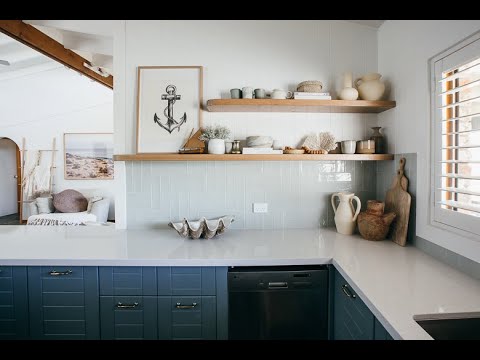
A kitchen benchtop is not just a functional surface but also a key element in the overall aesthetics of your kitchen. Whether you have a sleek granite countertop, a versatile laminate benchtop, or a modern engineered stone surface, keeping your kitchen benchtop clean and well-maintained ensures that it retains its beauty and shine for years to come. In this article, we will guide you through simple yet effective steps on how to maintain your kitchen benchtop for long-lasting shine.
1. Understanding Your Benchtop Material
Before diving into the maintenance process, it’s important to understand the type of benchtop you have. Each material requires specific care to maintain its durability and appearance:
- Granite: Known for its strength and elegance, granite is durable but porous. It needs regular sealing to prevent stains.
- Laminate: A budget-friendly option, laminate benchtops are easy to maintain but can be prone to scratches and burns.
- Engineered Stone: Composed of quartz and resin, engineered stone is highly resistant to stains but requires periodic cleaning to maintain its luster.
- Wood: Wooden benchtops offer a rustic charm but require regular oiling and sealing to avoid damage from moisture.
Knowing the material will help you choose the right cleaning products and techniques.
2. Daily Cleaning Routine for Your Benchtop
To keep your benchtop looking pristine, it’s crucial to adopt a daily cleaning routine. How to maintain your kitchen benchtop for long-lasting shine starts with simple cleaning habits:
a. Wipe with a Damp Cloth
For most surfaces, a damp cloth and mild dish soap will do the trick. Wipe down your benchtop after every meal preparation to prevent food spills from drying and leaving stains. For granite and engineered stone, use a soft microfiber cloth to avoid scratches.
b. Avoid Harsh Chemicals
Harsh chemicals can dull the surface of your benchtop over time. Stick to natural cleaning solutions like diluted vinegar or commercial products that are safe for the specific material.
3. How to Prevent Scratches and Stains
While daily cleaning is essential, there are other important steps to prevent long-term damage to your kitchen benchtop.
a. Use Cutting Boards and Trivets
Cutting directly on your benchtop can leave marks, especially on softer surfaces like wood and laminate. Always use a cutting board and trivets for hot pans to prevent burns or scratches.
b. Clean Spills Promptly
Spills, especially acidic ones like wine, lemon juice, or vinegar, can damage some materials like granite or engineered stone if left for too long. Wipe them up immediately to avoid staining or etching the surface.
c. Seal Granite Surfaces Regularly
Granite and other natural stone benchtops are porous and require sealing to protect them from stains and water damage. Be sure to reseal your benchtop every 12-18 months, depending on the usage and the type of sealer used.
4. Polishing for Long-Lasting Shine
Once you’ve cleaned and maintained your kitchen benchtop regularly, it’s time to focus on preserving that long-lasting shine. Polishing is the final step in keeping your benchtop looking new:
a. Polishing Granite and Engineered Stone
For granite and engineered stone surfaces, use a countertop polish specifically designed for these materials. Apply a small amount to a microfiber cloth and buff the surface in circular motions. This process will enhance the shine and protect the surface from future wear.
b. Wooden Benchtops
Wooden surfaces require more attention in terms of maintenance. Apply a food-safe oil or wax to nourish the wood and prevent it from drying out. This will help preserve the natural luster and protect against moisture damage.
5. Avoiding Common Mistakes
Certain habits can cause unnecessary damage to your kitchen benchtop, diminishing its shine and longevity. Here are some common mistakes to avoid:
- Don’t use your benchtop as a cutting surface—always use a chopping board.
- Avoid dragging heavy objects across the surface, as this can cause scratches.
- Don’t place hot pots directly on the benchtop, especially on laminate or wooden surfaces.
6. Conclusion
Maintaining the shine and condition of your kitchen benchtop is a combination of routine cleaning, prevention of damage, and periodic maintenance. By understanding your benchtop material and following simple care steps, you can ensure your kitchen benchtop stays beautiful for years. Now that you know how to maintain your kitchen benchtop for long-lasting shine, it’s time to put these tips into practice and enjoy a gleaming surface in your kitchen every day!
