


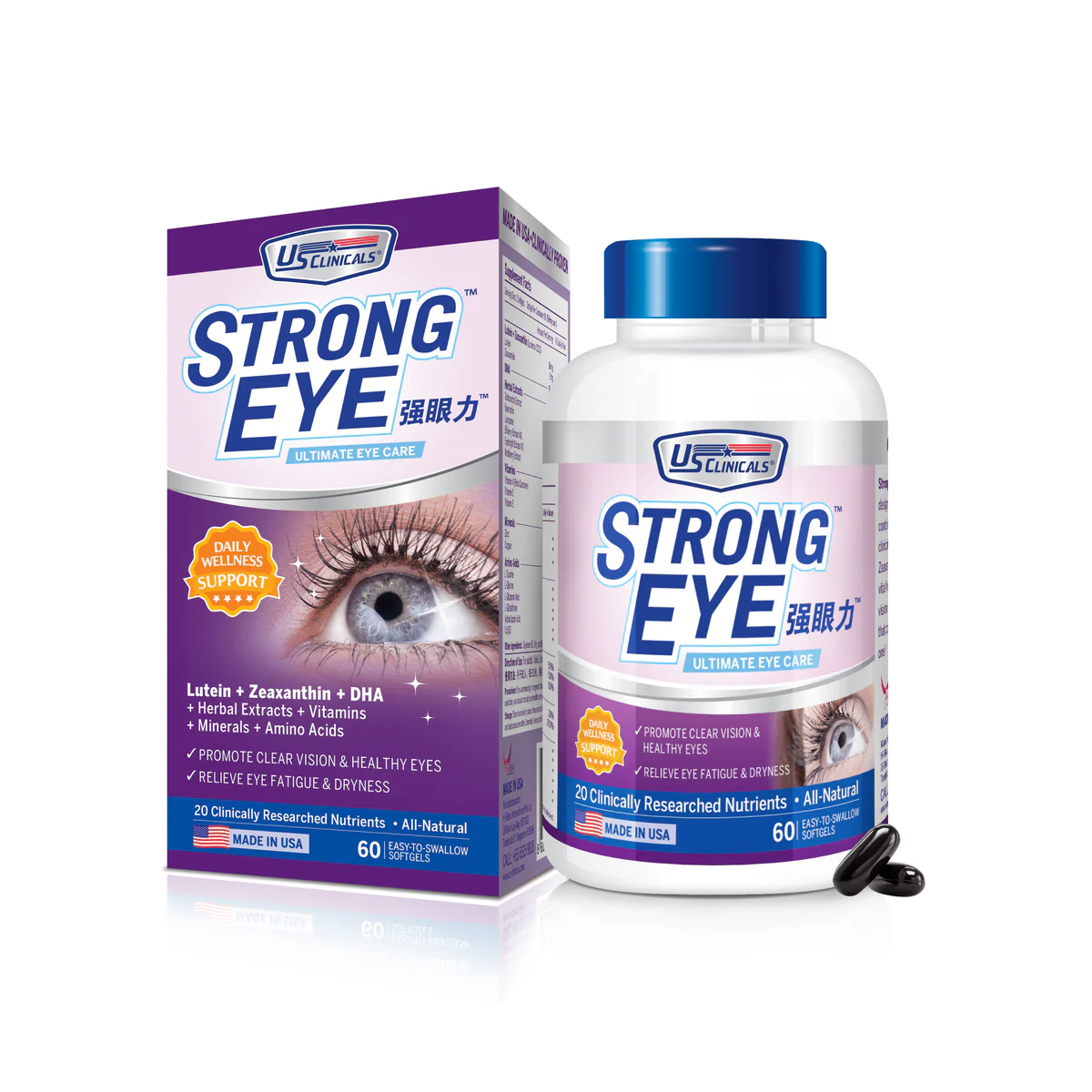
In an age where digital screens dominate our daily lives, eye health is more important than ever. From staring at our smartphones to working long hours on computers, our eyes are constantly exposed to stress. As a result, many people have turned to eye supplements in hopes of maintaining or improving their vision. But are eye supplements really worth it? In this article, we’ll explore the potential benefits and risks associated with these popular products to help you make an informed decision.
What Are Eye Supplements?
Eye supplements typically contain a combination of vitamins, minerals, and antioxidants that are thought to support eye health. These ingredients may include vitamin A, C, E, lutein, zeaxanthin, and omega-3 fatty acids, which are known for their positive effects on the eyes. Some supplements are designed specifically to help reduce the risk of age-related eye conditions like macular degeneration and cataracts, while others aim to protect the eyes from digital strain.
The Benefits of Eye Supplements
1. Preventing Age-Related Macular Degeneration (AMD)
One of the most well-known benefits of eye supplements is their potential to slow the progression of age-related macular degeneration (AMD). AMD is a leading cause of vision loss in older adults, and certain nutrients—like lutein and zeaxanthin—have been shown to support the health of the retina. Some studies have suggested that these antioxidants may help reduce the risk or delay the onset of AMD, making eye supplements worth considering for individuals over the age of 50.
2. Improving Night Vision
Vitamin A is essential for good vision, particularly in low-light conditions. Deficiency in this vitamin can lead to night blindness and other vision problems. Many eye supplements contain vitamin A or beta-carotene, which can help improve your ability to see in dim lighting. For those who spend long hours driving at night or working in low-light environments, these supplements may offer some benefit.
3. Protecting Against Digital Eye Strain
In today’s digital age, many people suffer from digital eye strain or “computer vision syndrome.” This condition is caused by long hours spent in front of screens, which can lead to dryness, fatigue, and discomfort in the eyes. Some eye supplements include omega-3 fatty acids and other nutrients that may help alleviate these symptoms by supporting tear production and reducing inflammation. While more research is needed, these supplements may be worth exploring for those who experience digital eye strain frequently.
4. Supporting Overall Eye Health
Some eye supplements contain a combination of nutrients that work together to maintain general eye health. These include antioxidants like vitamin C and E, which help protect the eyes from oxidative damage caused by free radicals. Regular use of such supplements may promote healthy aging and reduce the risk of certain eye diseases.
Are Eye Supplements Worth It? Potential Risks and Considerations
While there are many potential benefits of eye supplements, there are also some risks and important considerations to keep in mind.
1. Overdosing on Vitamins and Minerals
As with any supplement, it’s possible to overdo it. Taking excessive amounts of certain vitamins and minerals, such as vitamin A or zinc, can lead to toxicity. High levels of vitamin A, for example, can cause nausea, dizziness, and even liver damage in extreme cases. It’s crucial to follow the recommended dosage and consult a healthcare professional before starting any supplement regimen.
2. Limited Scientific Evidence
While some studies show promising results regarding the benefits of eye supplements, the overall evidence remains mixed. Many studies are small in scale or have inconclusive findings, meaning that more research is needed to confirm their effectiveness. Additionally, the FDA doesn’t regulate supplements as strictly as pharmaceutical drugs, so there can be variability in the quality of these products. Not all eye supplements are created equal, and some may not provide the benefits they claim.
3. Possible Interactions with Medications
If you’re taking other medications, it’s important to be cautious about potential interactions. For example, high doses of vitamin E can interfere with blood-thinning medications, while zinc may interfere with the absorption of copper. Always talk to your doctor before adding eye supplements to your daily routine, especially if you are already on medication for other health conditions.
4. Focusing on a Healthy Diet First
Before turning to supplements, it’s always a good idea to focus on a balanced diet rich in nutrients that promote eye health. Foods like leafy greens, fish rich in omega-3 fatty acids, eggs, and nuts are naturally high in vitamins and antioxidants that benefit the eyes. A healthy diet can often provide the same benefits as supplements, without the potential risks.
Conclusion: Are Eye Supplements Worth It?
So, are eye supplements worth it? The answer depends on individual needs and circumstances. For some, particularly those at risk for age-related eye diseases or those experiencing digital eye strain, supplements may provide valuable support. However, they should never be viewed as a substitute for a healthy diet or proper eye care. The key is to approach eye supplements with caution, understanding both their potential benefits and risks, and always consulting with a healthcare provider before beginning any new supplement regimen.
